

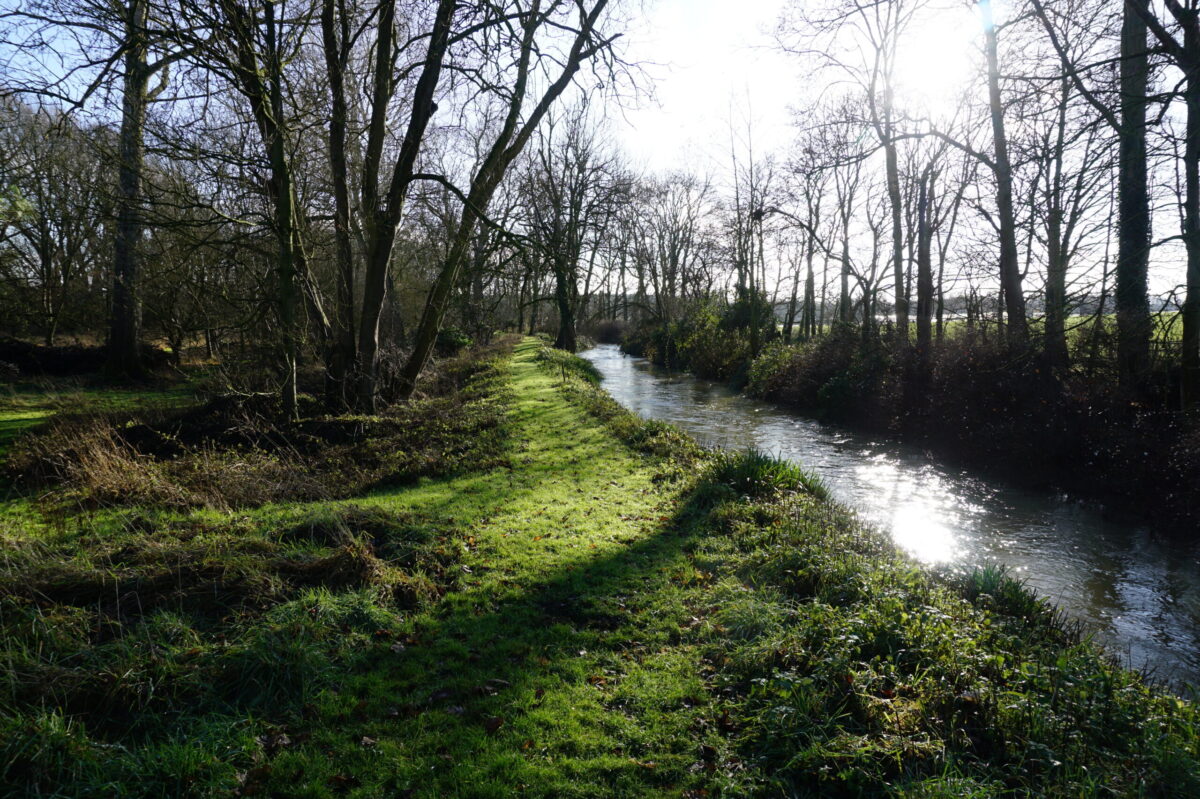
River Restoration on the River Granta
Following our recent award from Cambridge Water, our consultancy team have been completing site walkovers on the River Granta.
As part of this project delivery our team are conducting a feasibility study across three reaches (Bartlow, Hildersham Mill and Barbraham Research Campus) before progressing to detailed designs of river restoration measures.
During the feasibility study we will explore all river restoration options including: channel realignment, gravel augmentation, in-channel features, bank reprofiling and embankment removal, along with the creation of wetland habitat.
Our site visit findings are summarised below:
Bartlow:
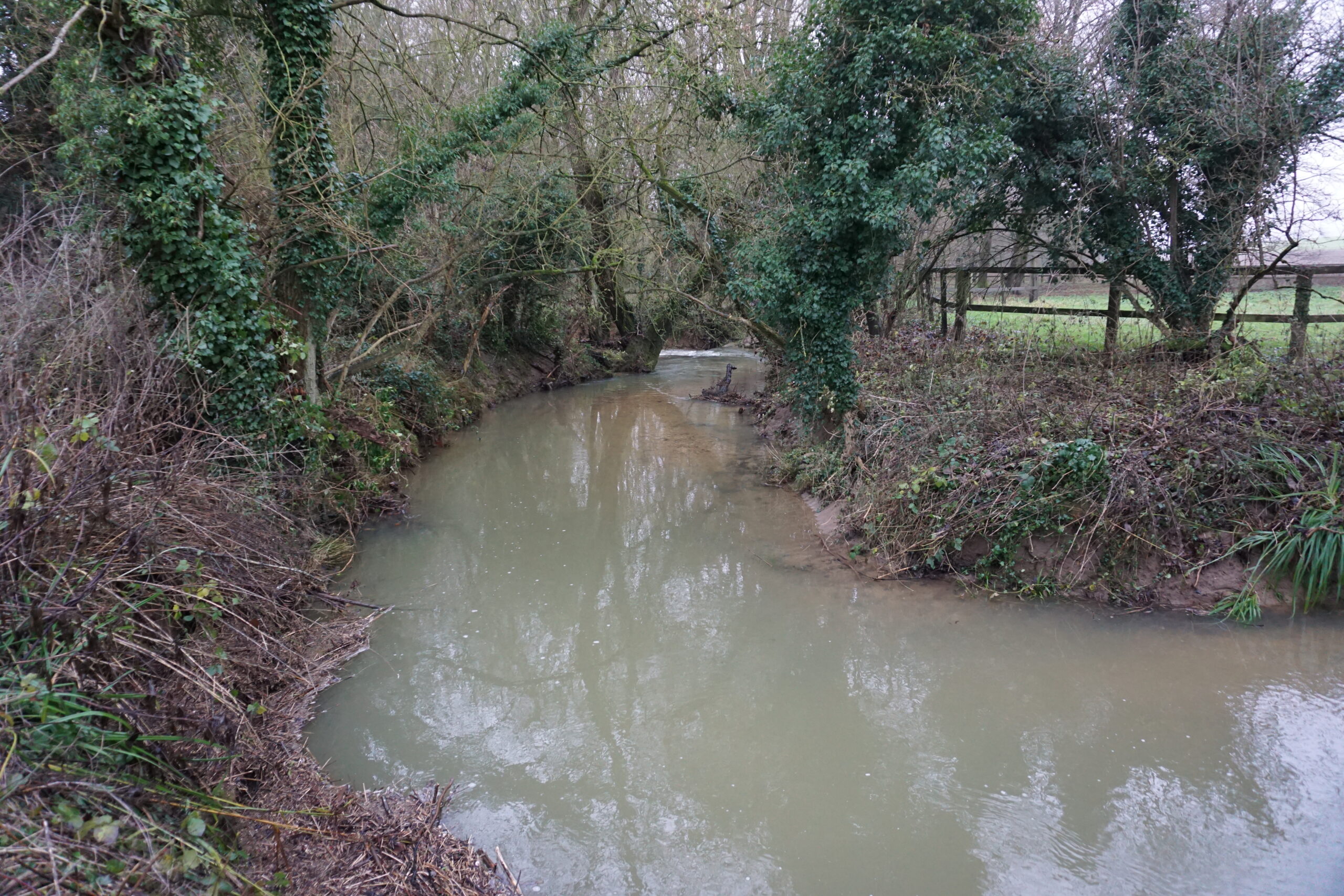
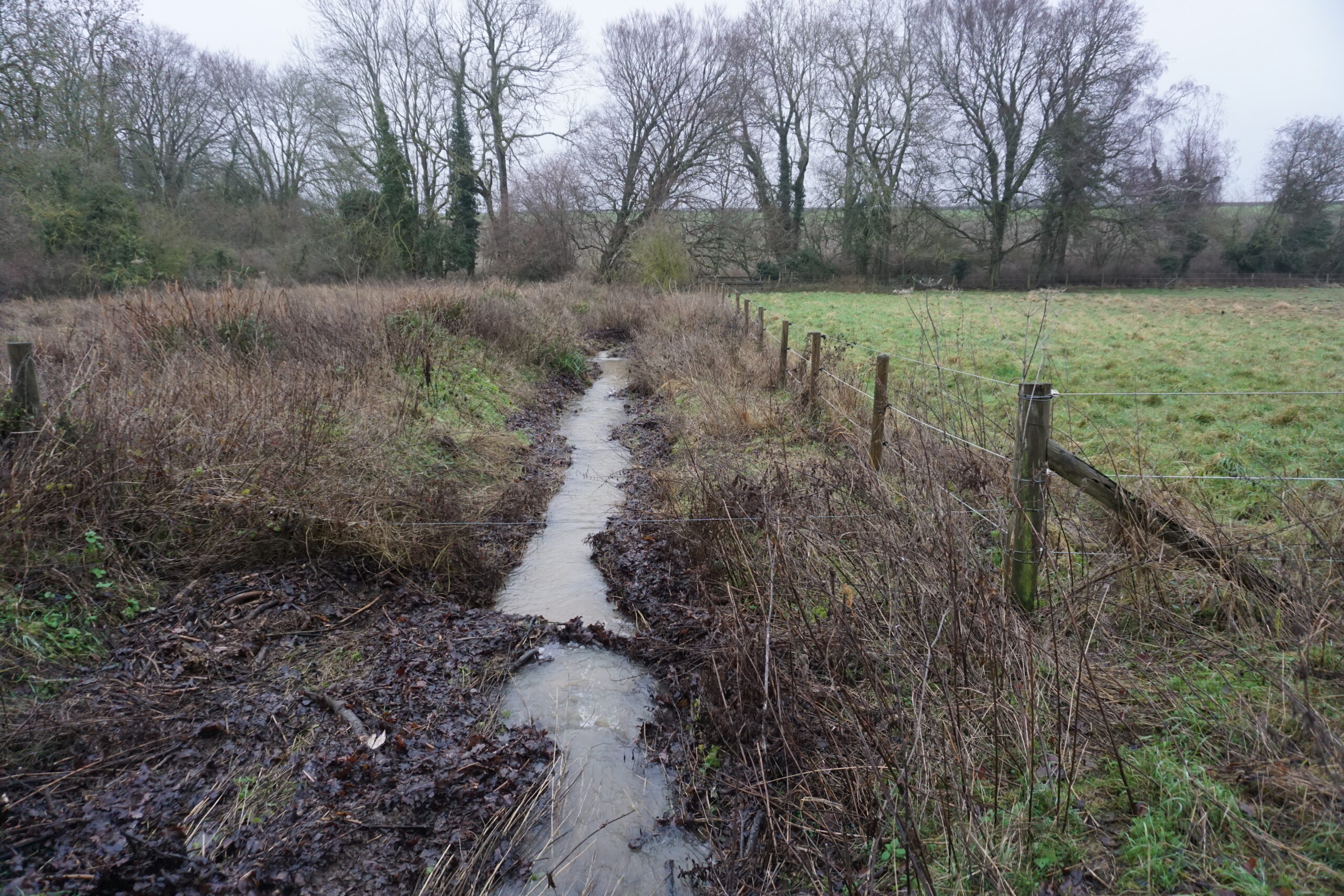
Recent rainfall easily demonstrates areas of floodplain that are suited to storing water on the land, allowing for reduced flood risk downstream and the gradual recharge of groundwater. Through floodplain restoration we will look to enhance these natural areas to be more effective and diverse, encouraging a mosaic of habitats. Poor water quality ditches will be diverted through these floodplain features to reduce sediment loading in channel, also allowing for stripping of nutrients from upstream farmland inputs. Removal of artificial features such as weirs and the renaturalisation of river margins through addition of woody debris and gravels will allow for the restoration of natural sediment transport processes, flushing through fine and suspended sediment and leaving the coarse gravels so key to chalk stream environments.
On the site visit we noted that this stretch of the Granta is not in terrible condition, but is still in need of a helping hand to remove invasive snowberry, improve daylight, and restore natural processes.
Babraham:
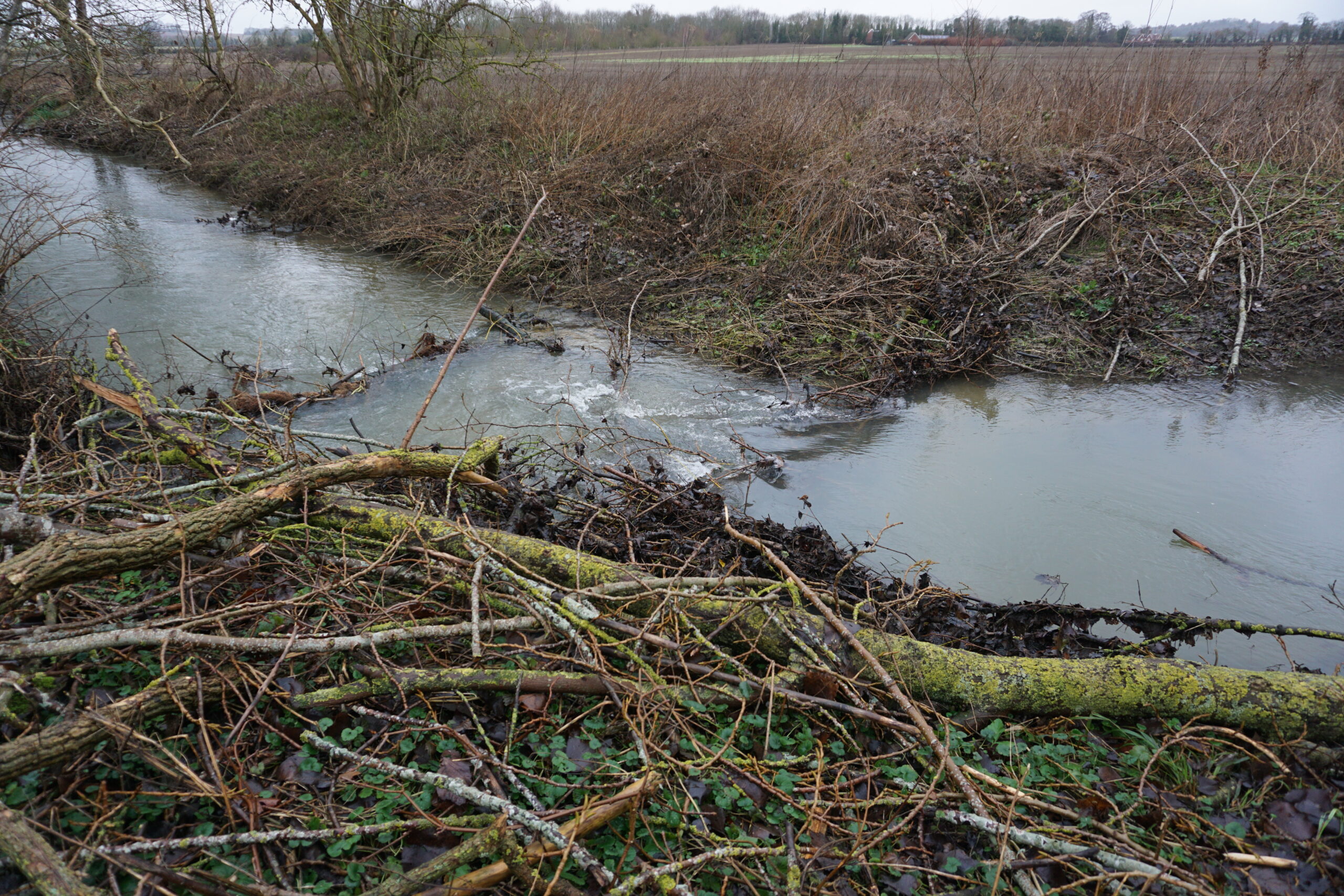
The site visit covered a few areas of the landscape, focusing on a stretch of the Granta through woodland and then through chalk grassland. The wooded section has seen restoration efforts in the past, and we would look to emphasise and add to these features. Using site won woody material a complex habitat matrix could be created, narrowing the low flow channel to improve summer resilience and improving suitability for fish. Within the grassland we will look to renaturalise the floodplain and reconnect straightened meanders where there are obvious depressions alongside the new river course.
Hildersham:
This site is characterised by a series of weirs created for historic milling practises, resulting in a long mill race that is disconnected from the natural valley floor. In high flows several of the weirs vanish beneath turbid water, while the largest upstream structure is still impassable to fish. The Granta may currently have fast flows and high water, but in summer times nearly runs dry, with significant areas of ponding and stagnation. This presents a challenge to enabling year-round fish passage up and down the Granta, but it is one we will attempt to overcome through the lifetime of this project.
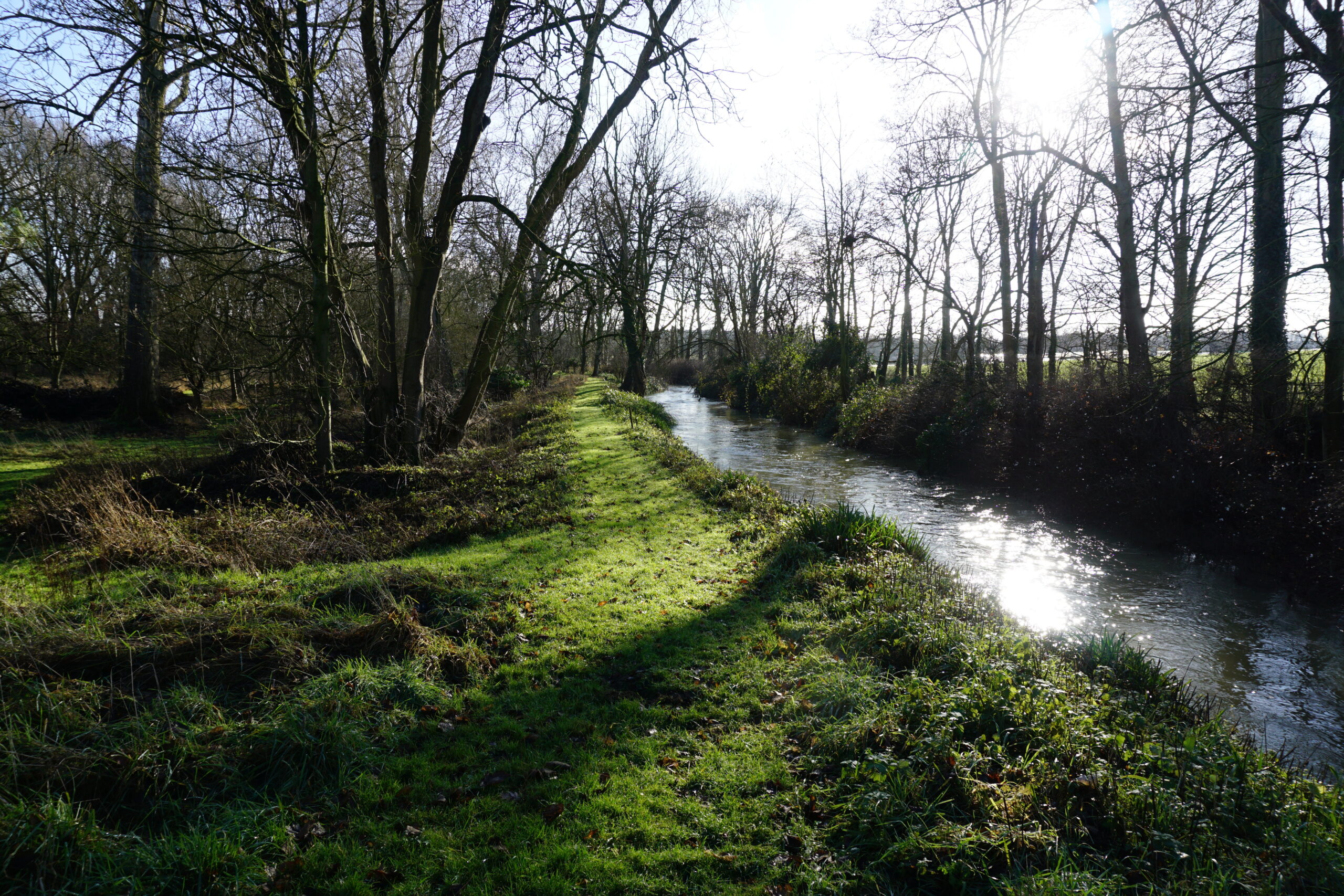
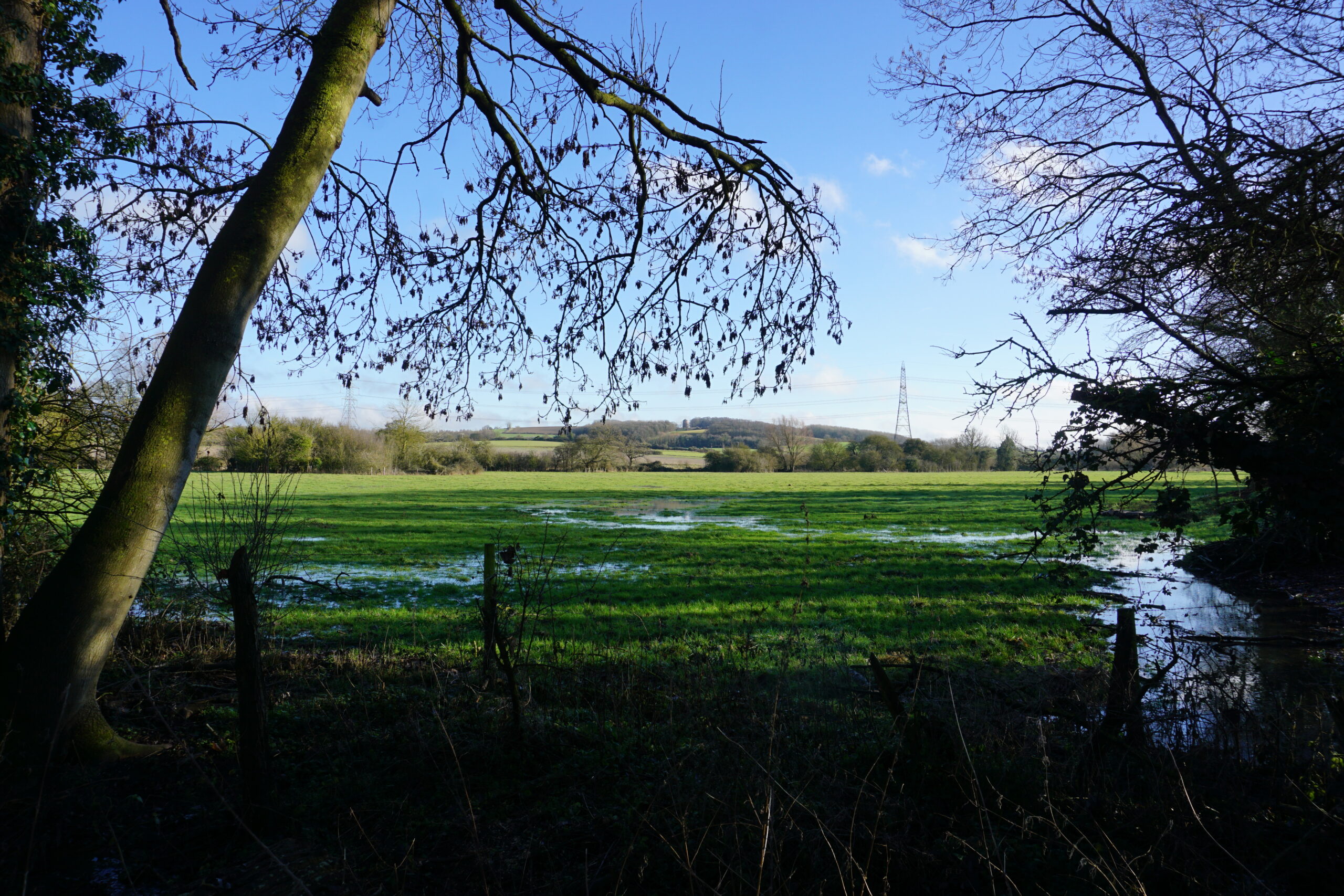
This photo shows significant water inundation within natural floodplain fields without evidence of the river overflowing due to historic embankments. Bubbles arising from the open water could potentially indicate natural springs becoming reconnected as groundwater begins to recharge with heavy rain.

Related articles
You may also like
10th February 2026
Civil Engineering Package with Wessex Water (YTL)
Civil Engineering works at Gas to Grid Facility FiveRivers was appointed by Wessex Water (YTL) as Principal Contractor to deliver a package of civil works…
Newsletter
Keep in touch.
The natural choice for latest industry comment, news, insight and discussion
Thank you for booking.
To stay in touch, please sign up to our newsletter.
Return to five-rivers.com