

Update to RPS374 – Low Risk Abstraction
📢 𝐄𝐱𝐜𝐢𝐭𝐢𝐧𝐠 𝐧𝐞𝐰𝐬 𝐟𝐨𝐫 𝐫𝐢𝐯𝐞𝐫 𝐫𝐞𝐬𝐭𝐨𝐫𝐚𝐭𝐢𝐨𝐧 & 𝐧𝐚𝐭𝐮𝐫𝐞 𝐫𝐞𝐜𝐨𝐯𝐞𝐫𝐲 𝐩𝐫𝐨𝐣𝐞𝐜𝐭𝐬! 📢
Some genuinely useful news for anyone working on river restoration and nature recovery: the Environment Agency has published RPS 374, its Regulatory Position Statement on low risk abstraction for nature recovery actions and fish or eel passage.
So what does it actually mean? If your project qualifies under RPS 374 and meets all of the relevant conditions, you can carry out eligible low-risk abstraction activities without obtaining an abstraction licence, provided you notify the Environment Agency before work begins.
It covers projects like:
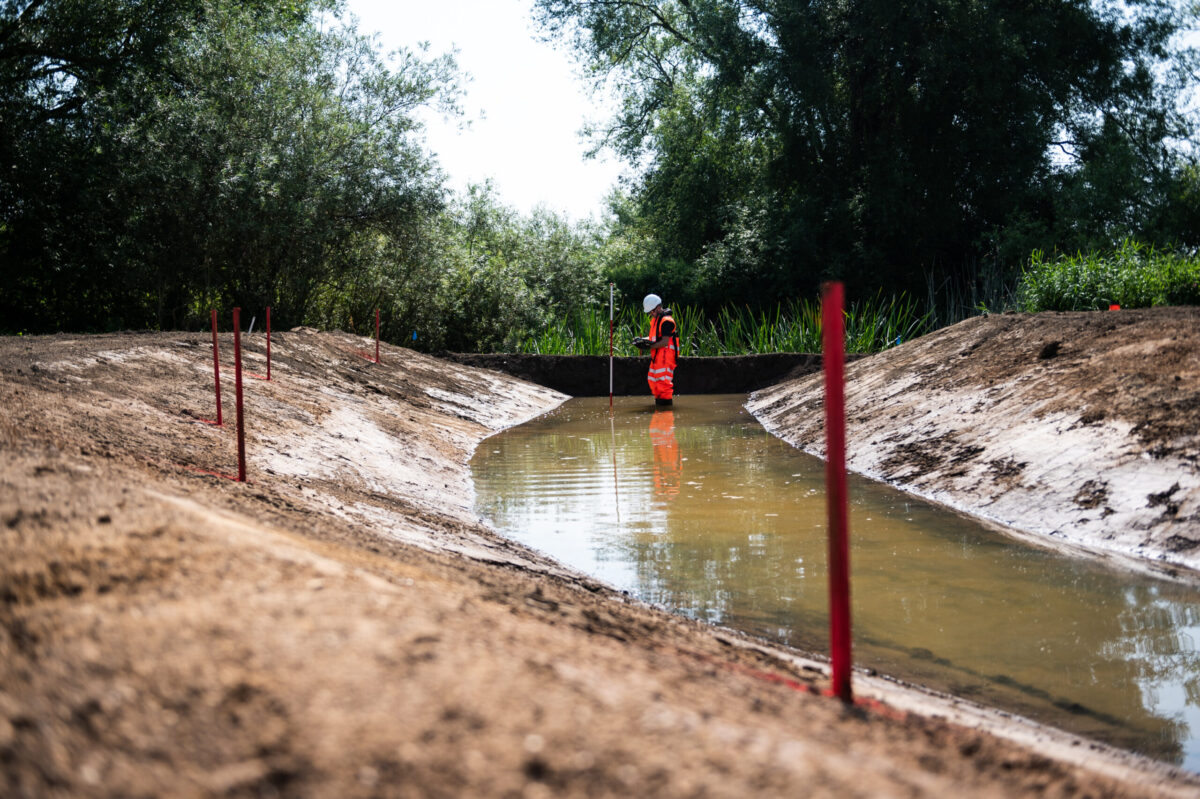
💚 Creating a new bypass channel
💚 Creating a new additional channel
💚 Backwaters and fish refuge features
💚 Removing raised banks
💚 Other qualifying ecological restoration works
If your scheme fits, you can move from design to mobilisation more efficiently, and that shift, faster consenting, lower programme risk, real cost savings, means more of the budget goes into the river itself rather than the paperwork around it.
It’s a good moment for the industry. Removing a consenting bottleneck without loosening the environmental safeguards is exactly the kind of change that lets well-designed restoration work get built sooner, and that’s good for rivers, wetlands, wildlife and the communities who live alongside them.
If you’re planning a river or wetland restoration project and want to know whether RPS 374 could apply to your scheme, get in touch. We’d be glad to talk it through – https://five-rivers.com/our-services/design-consultancy/

Related articles
You may also like

25th June 2026
The Value of Early Contractor Involvement (ECI)
The value of Early Contractor Involvement (ECI) and the figures to prove it. The Centre for Construction Best Practice has recently published Constructing Certainty, an…

Newsletter
Keep in touch.
The natural choice for latest industry comment, news, insight and discussion
Thank you for booking.
To stay in touch, please sign up to our newsletter.
Return to five-rivers.com